

Is workplace conflict giving you a headache?
You’re not alone. Disagreements happen, but unresolved conflict can seriously impact your team’s morale, and productivity, and even lead to legal issues. Personalities clash, misunderstandings happen, and sometimes, people have bad days. While a little friction can be healthy, unresolved conflict is a nightmare for any HR professional. It drains time and energy, damages morale, and can even lead to serious legal trouble.
That’s why we created this guide – to make your life easier.
Think of it as your conflict resolution toolkit, filled with practical, step-by-step strategies designed with busy HR teams in mind. Inside, you won’t find complex theories or long-winded explanations.
Challenges for HR in Conflict Resolution:
- Staying neutral and building trust is essential, but difficult when individuals are close or have strong feelings.
- Uncovering the real issues is challenging since individuals could concentrate on short-term issues rather than the underlying cause.
- Calming everyone down and managing difficult personalities calls for tolerance and effective communication abilities.
- Balancing individual needs with company policies can require a delicate balance to guarantee compliance and fairness.
- HR might face limited time or support from supervisors when handling disputes.

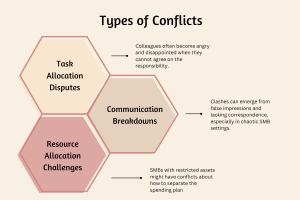
Types of Conflicts
Task Allocation Disputes: Colleagues become angry and disappointed when they can’t settle on who ought to be responsible for specific assignments or ventures.
- Example: Two employees argue over who should lead a new client project, causing tension within the team.
Communication Breakdowns: Clashes can emerge from false impressions and lacking correspondence, especially in chaotic SMB settings.
- Example: A lack of clear communication between departments results in delays and errors in project delivery.
Resource Allocation Challenges: SMBs with restricted assets might have conflicts about how to separate the spending plan, share gear, or give admittance to fundamental apparatuses.
- Example: Employees in different departments argue over-allocating funds for training and development initiatives.
HR needs to step in when:
Conflicts get big and affect work
when disagreements intensify to the point where they interfere with work, lower morale among employees, or both.
Feeling Unfairly Treated or Rules Unclear
If a worker expresses worries about being treated unfairly, harassed, or without respect at work.
When multiple people or teams are involved
Conflict that involves multiple people or groups can intensify fast and become challenging to handle on an individual basis.
Legal Risk or Reputational Threat
HR protects the company by averting legal issues and harm to its reputation.

8 steps to resolve conflict in the workplace
-
Acknowledge and Address Early:
Never disregard tense signs. Deal with problems early on to prevent them from developing into significant disputes.
-
Create a Safe Space:
Select a quiet, impartial space where all parties feel free to communicate. Establish guidelines for polite conversation.
-
Active Listening:
Permit everyone to voice their opinions without interjecting. Observe clues that are given both verbally and nonverbally. To make sure you understand and to show that you are paying attention, summarize what you have heard.
-
Identify the Root Cause:
Analyzing the more deeply gives fundamental the contention to determine what needs, interests or values drive it.
-
Find Common Ground:
Feature areas of arrangement and common interests or objectives between the different sides. Using these areas of understanding, foster arrangements.
-
Brainstorm Solutions:
Advance genuine participation. Inspect various decisions and consider concessions that meet the fundamental prerequisites, everything being equal.
-
Reach an Agreement:
Regardless of whether the arrangement isn’t everybody’s ideal one, ensure it is characterized and acknowledged by all gatherings. Set up the understanding as a written record and determine any fundamental activities that should be taken quickly.
-
Evaluate and Prevent:
Ensure the goal holds by circling back to every interested individual. Think back on the conflict and conceptualize systems to keep away from it reoccurring, like better preparation, correspondence, or changing the standards.

Why Does This Matter?
A workplace with healthy conflict resolution practices isn’t just a “nice to have.” It’s a competitive advantage. When employees feel safe to voice concerns and trust that disputes will be handled fairly, you’ll see benefits like:
-
Higher Productivity:
There is less time lost on gossip, resentment, and passive-aggressive conduct.
-
Positive Morale:
Knowing that they work in a place where problems are resolved makes people feel appreciated and respected.
-
Attracting (and Keeping) Top Talent:
Having a good reputation for managing conflicts puts your business ahead. Fewer problems worsen or result in expensive lawsuits.
-
Reduced Risk:
Are you prepared to change the way you work? Get the handbook, implement these easy techniques, and begin assembling a group that understands how to transform disagreement into productive cooperation.

Conclusion
Conflict is inevitable in any workplace, but with the right skills and strategies, HR professionals can effectively manage and resolve these situations. By fostering a culture of open communication, setting clear expectations, and following a structured conflict resolution process, HR can ensure a more harmonious and productive work environment for everyone. Remember, unresolved conflict can lead to decreased morale, employee turnover, and even legal issues.
Experiencing difficulty reading online? No worries, we’ve got you covered! We’ve prepared a PDF version for your convenience. Simply click on https://blog.snaphrm.com/newsletter/ and get access to the document hassle-free. Your seamless reading experience is just a click away – grab the PDF now and enjoy the content at your own pace.
If you like this exclusive content on employee productivity and want more go then subscribe to our channel on Snaphrm, Instagram, LinkedIn, and YouTube so that you don’t miss another update. Remember, the journey doesn’t end here—click for more, explore further, and immerse yourself in a world of continuous learning and growth. Your adventure starts with a simple click.
Leave a Reply