

Running a little or medium-sized business (SME) is a hurricane. You wear different caps, shuffle needs, and endeavor to encourage a positive workplace. In any case, amidst the everyday toil, one basic perspective is regularly disregarded: an obviously characterized leave strategy.
While enormous companies have HR divisions committed to leave strategies, little and medium-sized ventures regularly wind up exploring this domain without an unmistakable arrangement. However, don’t be apprehensive! Fortunately fostering a leave strategy for your SME doesn’t need to be confounded or tedious. As a matter of fact, it very well may be an essential device for engaging your group, advancing a solid balance between fun and serious activities, and reinforcing your business.
This PDF will furnish you with the information and instruments you expect to make a leave strategy that is great for your SME. We’ll explore key factors to consider, different leave types to include, and best practices for clear communication and implementation.
Factors That You Need To Consider When Designing Your Leave Policy Are:
- Size of Business
- Nature of Business
- Culture

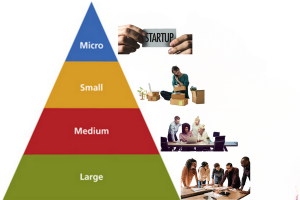
Size of the business
A startup must employ methods that differ from those used by large corporations, and vice versa.
A strong leave policy is always required, whether your company is a start-up, a small and medium-sized enterprise, or a multinational corporation. Start-ups can have flexible leave policies because each employee owns the company and wants to take it to the next level.
Small and medium-sized enterprises (SMEs) would benefit from some encouragement to pursue both flexible and conservative strategies.
Nature of the business
Leave approaches ought to be customized to the idea of the business, taking into account full-time, part-time, on-location, and seaward representatives.
To make things simpler, on-location representatives, for example, programming engineers ought to follow the parent organization’s strategies. Organizations that require end-of-the-week work, for example, corporate stores, ought to offer workday leave benefits.
Processes that require twofold or extra moves ought to consider compensatory leave or pay. Guaranteeing smooth progress for all workers is basic.

Culture
When developing your leave policy, it is critical to consider employee experience as well as ensure that it aligns with your company’s goals.
At the point when an organization’s leave strategy has such a large number of limitations, its representatives might become disappointed, prompting a negative impression of HR in general.
HR offices are authorizing convoluted and pointless leave strategies that benefit neither the organization nor the representatives, delivering advanced workers unappealing.
Types of Leaves
Mandatory leaves for SMEs vary by location, with national or regional governments setting the minimum requirements and SMEs providing additional benefits.
Mandatory Leaves
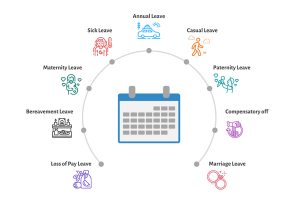
Statutory Leaves: These are legally required leaves mandated by government labor laws. They typically include:
- Maternity Leave: For new mothers, with duration varying by location.
- Paternity Leave: For new fathers, although it may be shorter than maternity leave.
- Sick Leave: Time off for illness, with a minimum number of days.
- Bereavement Leave: For the loss of a family member, with a set number of days.
- Public Holidays: Days off for national or regional holidays
Voluntary but Recommended Leaves:
- Vacation Leave: Paid time off for relaxation and personal needs. Even a few days can boost employee morale and well-being.
- Personal Leave: Unpaid time off for unexpected events or emergencies.
Designing your SME Leave Policy:
- Research Local Laws: Ensure you comply with all statutory leave requirements.
- Consider Business Needs: Balance employee well-being with business operations. Can you offer flexible scheduling or remote work options?
- Start Small, Scale Up: Begin with a basic policy and add benefits as your business grows.
Bonus: Checklist for Your Leave Policy
- Does it comply with local regulations?
- Are all leave types clearly defined?
- Are accrual rates and carry-over policies specified?
- Is there a clear process for requesting leave?
- Are consequences for misuse outlined?
- Is the policy easily accessible to employees?
Leave Policy Format Includes
Purpose
The purpose of this leave policy is to establish clear guidelines and procedures for managing employee leaves at [Company Name]. This policy aims to ensure fairness, consistency, and transparency in leave administration while balancing employee needs with the company’s operational requirements.
Scope
This arrangement applies to all full-time and part-time workers of [Company Name]. It covers different sorts of leave including yearly leave, debilitated leave, maternity/paternity leave, mourning leave, and crisis leave.
Eligibility
- All representatives of [Company Name] are qualified to benefit themselves from the various kinds of leave according to the terms framed in this arrangement.
- Yearly Leave: Accessible to all representatives after the culmination of [specify period] of ceaseless help.
- Wiped-out Leave: Accessible to all workers from their date of business.
- Maternity/Paternity Leave: Accessible to workers who meet the qualification necessities according to nearby regulations and company strategy.
- Deprivation Leave: Accessible to all workers in case of the deficiency of a close relative.
- Crisis Leave: Accessible to all workers for unanticipated and dire circumstances.
Guidelines
- Every employee is to use five days of leave every calendar year. If failed to do so, these five days will expire on 31st December.
- Leaves taken forward are available only for 30 days per calendar year.
- Encashed leaves are not permissible at the end of the year. Also, it only qualifies if there is a case of retirement or resignation.
- Employees on probation can also take leave if there is an emergency or they are sick. As well as it depends on the manager’s discretion and permission.
- Supervisors and managers record leave approvals during workdays. Employees must inform supervisors or managers of sickness or emergencies, as failure may result in disciplinary action.
- Employees must inform their manager of an emergency, and if they report within 4 hours, they will be marked present and their salary will be deducted.
- Employees can take 12 casual leaves per year, with one monthly leave at their discretion with one day’s notice and approval in advance.
- Employees can request extra leave by contacting their manager at the start of the year and obtaining approval two weeks before the start of the leave.
- Employees get ten working days’ leave once confirmed with the supervisor.
- Any leave for more than ten days will be a special leave request and must be approved by the management.
- A manager’s approval depends on the situation’s seriousness and the business’s requirements.
- Management makes subjective decisions on employee leave usage, which may be reviewed on a case-by-case basis, without considering past restrictions.
- Employees cannot take leave during notice periods without manager approval, and the number of working days increases with available leaves.

Conclusion
Crafting a leave policy that benefits both your business and your employees is an essential step for any SME. By prioritizing clear communication, fair regulations, and a touch of flexibility, you can establish a system that fosters a positive work environment, reduces stress, and ultimately contributes to a more productive and loyal workforce. Remember, a well-designed leave policy is an investment in your most valuable asset – your people.
Experiencing difficulty reading online? No worries, we’ve got you covered! We’ve prepared a PDF version for your convenience. Simply click on https://blog.snaphrm.com/newsletter/ and get access to the document hassle-free. Your seamless reading experience is just a click away – grab the PDF now and enjoy the content at your own pace.
If you like this exclusive content on creating leave policy and want more then subscribe to our channel on Snaphrm, Instagram, LinkedIn, and YouTube so that you don’t miss another update. Remember, the journey doesn’t end here—click for more, explore further, and immerse yourself in a world of continuous learning and growth. Your adventure starts with a simple click.
Leave a Reply